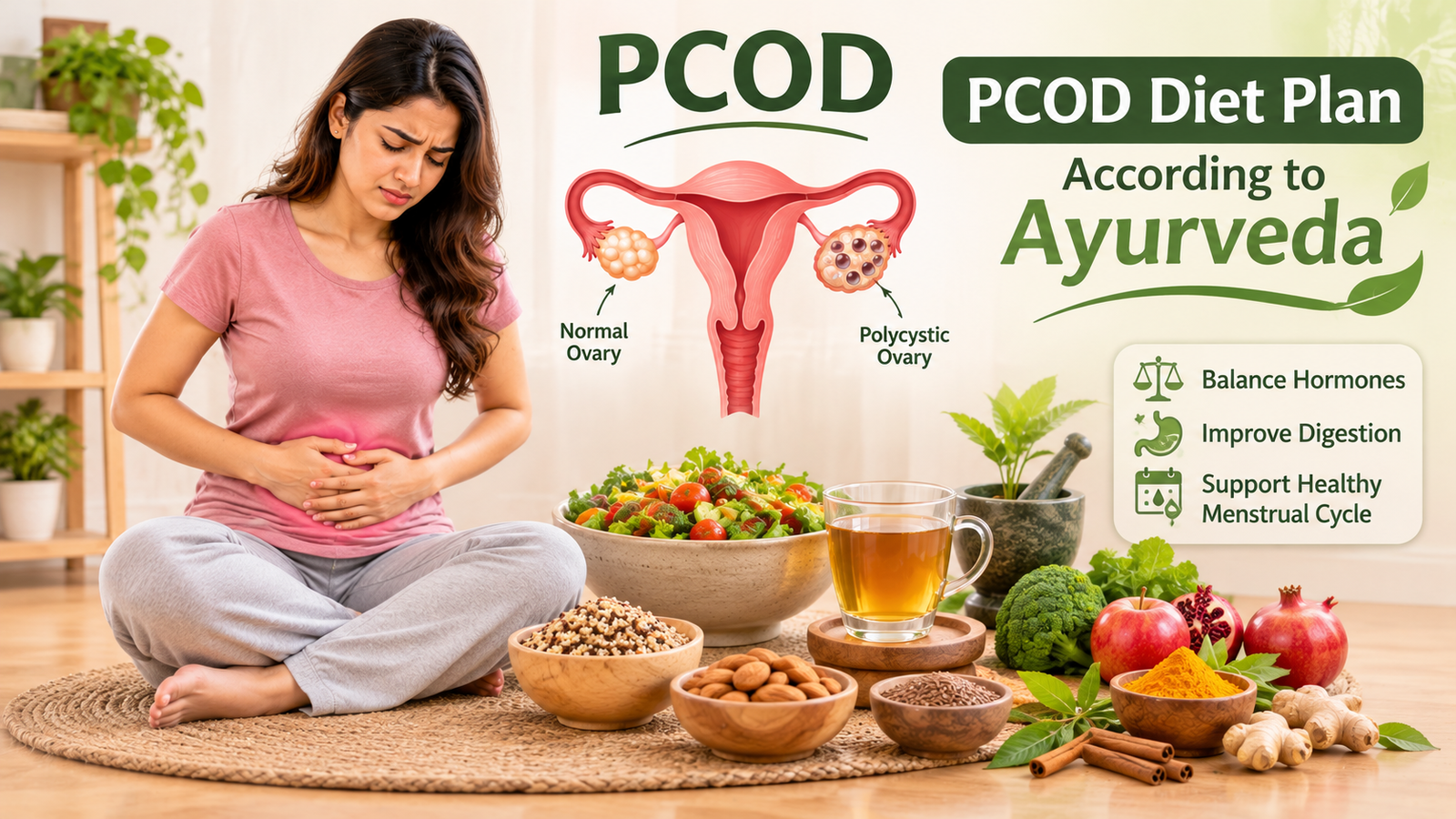
PCOD Diet Plan According to Ayurveda
People can also be advised of what to avoid. However, Ayurveda provides a more subtle and personal method. It analyses an individuals digestive efficiency and determines likely times of day when they will wish to eat. It can then advise on which foods are most appropriate for their constitution. The below points provide general guidance on how to follow an Ayurvedic diet if you have ayurvedic treatment for PCOD. You will also recognise when it is suitable to seek medical advice.
How Ayurveda Understands PCOD
People often receive dietary advice following assessment of PCOD. However, Ayurveda has a much more subtle and personal method. Rather than advising people which foods to avoid, Ayurveda looks at how well someone can digest food and considers both the optimal time to eat and what is most suitable for their body type. Below I explain simply how to apply an Ayurvedic diet to manage PCOD. In addition to making simple changes to your lifestyle, you will recognise when to seek further professional medical guidance.
Foods to Include
- Whole grains:Millets (such as ragi, jowar, and bajra), oats, brown rice, and gram are milder grains that release energy in a slow and steady manner.
- Warm, cooked vegetables: bottle gourd, ridge gourd, bitter gourd, pumpkin, spinach and drumstick support digestion.
- Pulses:Masoor dal and moong dal are very easy to digest, and the supply of protein is also constant.
- Healthy fats in small amounts: a little desi ghee, flaxseeds, walnuts and soaked almonds.
- Spices:Stimulating agni ingredients are ginger, fenugreek seeds, cumin & coriander, turmeric, and cinnamon.
- Fruits: Apple, pomegranate, papaya, berries in the first half of the day.
Foods to Limit
- Refined flour, white bread, bakery items and packaged snacks
- Sugary drinks, sweets and excess dairy, especially cold curd and cheese
- Deep-fried and very oily street food
- Leftover, refrigerated or reheated meals
- Too much tea, coffee and late-night snacking
You do not have to give these up overnight. Cutting back gradually is easier to keep up, and it keeps eating enjoyable.
A Simple One-Day Sample Plan
Treat this as a starting point, not a prescription. Portions and choices should match your appetite and body type.
- On waking: a glass of warm water, or water soaked overnight with fenugreek seeds.
- Breakfast: vegetable poha, moong chilla or vegetable oats porridge with a few soaked almonds.
- Mid-morning: one seasonal fruit or a cup of buttermilk with roasted cumin.
- Lunch (the main meal): two rotis of mixed millet flour, dal, a cooked vegetable and a small bowl of salad.
- Evening: herbal tea with cinnamon and ginger, plus roasted chana or makhana.
- Dinner: a light khichdi, vegetable soup or dal with one roti, finished before sunset or at least three hours before bed.
Eating Habits That Matter as Much as Food
Diet is key in Ayurveda. Ideally people should eat their main meal around midday as digestion is best at this time. When eating it is also advised to switch off any screens and chew food thoroughly. Only eat when feeling truly hungry and attempt to minimise snacking. Once finished, have a glass of warm water and then take a ten minute stroll. As well as this, good quality and consistent sleeping patterns are advantageous as our hormones can be impacted by our lifestyle.
Common Mistakes Women Make
- Skipping meals: long gaps weaken digestion and lead to heavy overeating later.
- Crash dieting: extreme restriction can disturb periods further and drain energy.
- Copying a friend’s plan: what suits her prakriti may aggravate yours.
- Ignoring stress: worry and poor sleep can undo a perfect diet.
- Expecting quick results: cycles usually take a few months to settle, so patience and regular follow-up count.
Lifestyle Habits That Support the Diet
Ideally food is eaten within a stable environment. Exercise such as brisk walking, yoga and surya namaskar should occur for approximately half an hour. Commonly recommended postures include bhujangasana, baddha konasana and setu bandhasana to target the pelvic region. Also perform a breathing technique such as anulom vilom each morning in order to assist with managing stress. Ideally we wish to be in bed and asleep by 10 or 10.30pm and try not to take daytime naps as this is related to increased kapha within the body according to Ayurveda.
Herbs and Medicines That May Help
Herbs including shatavari, ashoka, lodhra, kanchanar and guggulu are commonly used by vaidyas when treating PCOD. It is essential to ensure that you take the correct herb as this will depend on an individual’s symptoms, age and digestive system. If you require, or wish to purchase, ayurvedic medicines for digestive issues then obtain them from a licenced provider and check that they detail their ingredients. Ideally, always get a doctors prescription for medication.
When Diet Alone Is Not Enough
Alongside a full Ayurvedic PCOD programme, a special diet is most effective for more difficult to treat cases. This can involve Panchakarma treatments (such as virechana and basti) to detoxify. Abhyanga massage and Shirodhara are also given to help relieve stress as this frequently exacerbates hormone issues. Identical principles apply to the treatment of other common associated conditions including menstrual disorders, skin issues and hair thinning, and also to bowel and acid related problems. Therefore, a number of these can be discussed and treated during one appointment. Those women who also experience difficulty with further aspects of Ayurvedic skincare (for example, persistent acne) or Ayurvedic hair restoration can generally raise and work on these during the same session. Your doctor will then determine the sequence, duration and combination of treatments to be received, together with relevant dietary advice.
Getting Help in Faridabad or Online
Vani Ayurveda has private appointments, and can create programmes. They also have a pharmacy. For those who cannot easily visit Faridabad, online appointments can be arranged so that you can video call an ayurvedic doctor. You can then email them information and they will devise a programme including dietary and medication advice. Please make an appointment with a doctor if you are experiencing absent periods for several months, extreme pain or if you are attempting to become pregnant.
Final Thoughts
A PCOD healthy eating programme does not involve dieting or fads. It requires suitable, easy to eat and appropriate food which can then be properly processed by your body. It should also include good quality sleep, exercise and advice. Try one or two new things this week and then arrange an appointment so that a personal programme can be designed for you.
FAQs
- What is the best diet for PCOD according to Ayurveda?
Warm, freshly cooked and easy-to-digest foods like millets, moong dal and seasonal vegetables suit most women.The ideal plan depends on your prakriti and digestion, so consult an ayurvedic doctor. - Which foods should be avoided in PCOD?
Cut back on refined flour, sugar, sweets, packaged snacks and fried foods.Reduce excess dairy, cold or leftover meals and late-night eating gradually. - Can Ayurveda cure PCOD permanently?
PCOD is a long-term condition, and results differ from person to person.Ayurveda helps manage it by improving digestion, balancing the doshas and supporting regular cycles. - How long does it take to see results from an Ayurvedic PCOD diet?
Most women notice small changes in digestion and energy within a few weeks. Menstrual cycles usually take a few months to settle, so patience and regular check-ups matter. - Can I take Ayurvedic medicines for PCOD along with a diet plan?
Yes, they often work well together, but take herbal medicines only on a doctor’s advice.When buying online, choose a reputable seller that lists the ingredients clearly. - Can I consult an Ayurvedic doctor online for PCOD?
You can also visit an ayurvedic doctor and send them information. They can then advise you on both food and drugs. Visit a doctor if your periods have stopped for several months, if you suffer from intense pain and/or if you are trying to become pregnant.